Everyone is different. We all have our strengths, unique talents, and weaknesses. Although most of us have the ability to hide our challenges from the public eye, there is a vast majority of people with disabilities that do not have this security blanket. Their difficulties and needs are on broad display for all to see, and they are often treated differently because of it. Children with special needs are at an even greater disadvantage as their disability, whether cognitive or physical, often isolates them from their peers.
Focusing on education, civil rights, and healthcare, I will explore the treatment of these individuals and the subsequent impact on their families in recent years and provide tangible societal reforms to move closer to social justice for all individuals.
According to a 2018 CDC survey, 1 in 59 children is diagnosed with an Autism Spectrum Disorder. This disorder presents itself through a variety of symptoms, including repetitive behaviors, and difficulty with social interactions. However, not all people are affected in the same way. While some people with autism are high functioning, but struggle with social interactions, others are non-verbal and require constant assistance in everyday tasks. As a result of the spectrum of symptoms and severity people diagnosed with autism exhibit, it has been difficult to navigate how to interact with these individuals in day to day settings.
In addition to the affect these disabilities can have on the child, they have a larger impact on the family, as well.
Hey everyone! My name is Jessica Eblin. I am a senior at Siena College, majoring in Psychology, with a minor in Health Studies. After graduating this upcoming Spring, I plan to attend graduate school for Occupational Therapy and ultimately work with children with special needs and disabilities.
I grew up in a suburb of Los Angeles, California and was recruited to play on Siena’s Women’s Volleyball team beginning in the Fall of 2017. Volleyball has played a huge role in my life ever since I began playing in the 6th grade (even though I swore to my mom that I wouldn’t like it before watching my first match… she still holds that over my head). The sport has introduced me to some of my best friends (more on that later), allowed me to travel across the country, and lead me to Siena College.
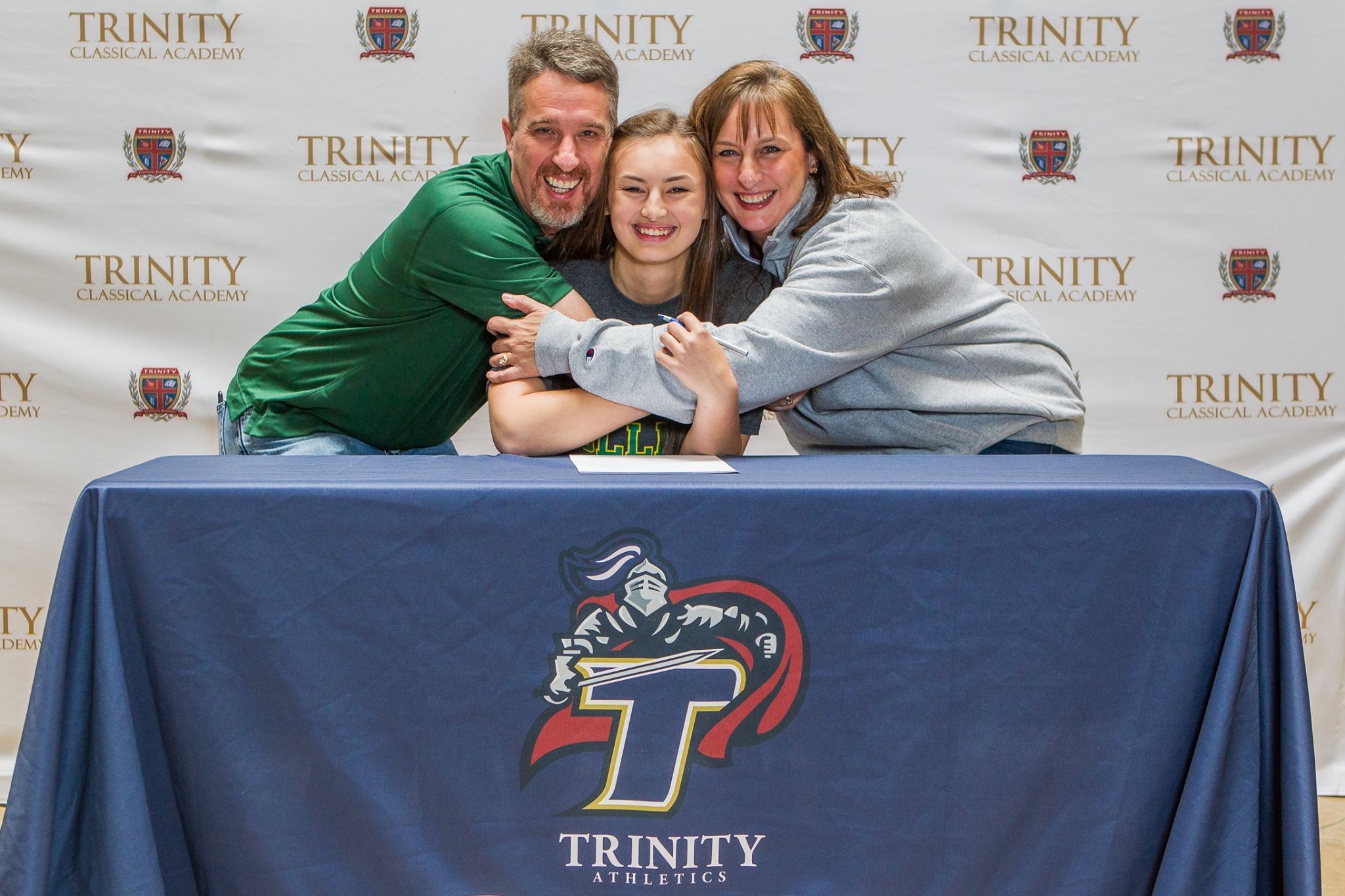
My parents, Steve and Carolyn, the day I signed my National Letter of Intent to play volleyball for Siena College.
Less than 2% of all high school athletes receive a full-ride athletic scholarship to compete in college, and I am so blessed to have this opportunity. Furthermore, of the 494,992 student athletes in the NCAA, only 216,378 (44%) are female. However, the “National Girls and Women in Sports” organization is dedicated to empowering more girls to pursue their passions in athletics. I’ve developed so many different skills through my participation in athletics and I’m so grateful to be in a position that I can encourage young girls to try something they never thought they could do.
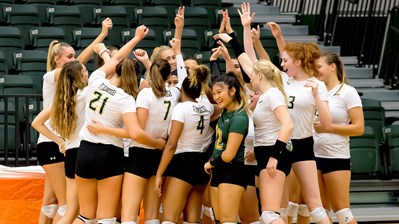
Female student-athletes from Gonzaga University discussing the impact athletics has had on their lives
My “Legal” Family
My family history is a bit complicated, but everything that has happened has shaped me into the person I am today and I wouldn’t change it for the world. I grew up as an only child, which puts my family among the 23% of American families with only one child. My mom, Carolyn, is the co-owner of a small audio-visual company that has installed equipment in churches, colleges, and even some attractions at Disneyland. As such, she joins contributes to the 39% of companies across the country that are owned by women. Meanwhile, my step-dad, Steve, is a professional comedian and entertainer, performing on cruise ships, radio shows, and appearing in commercials and a few television shows.
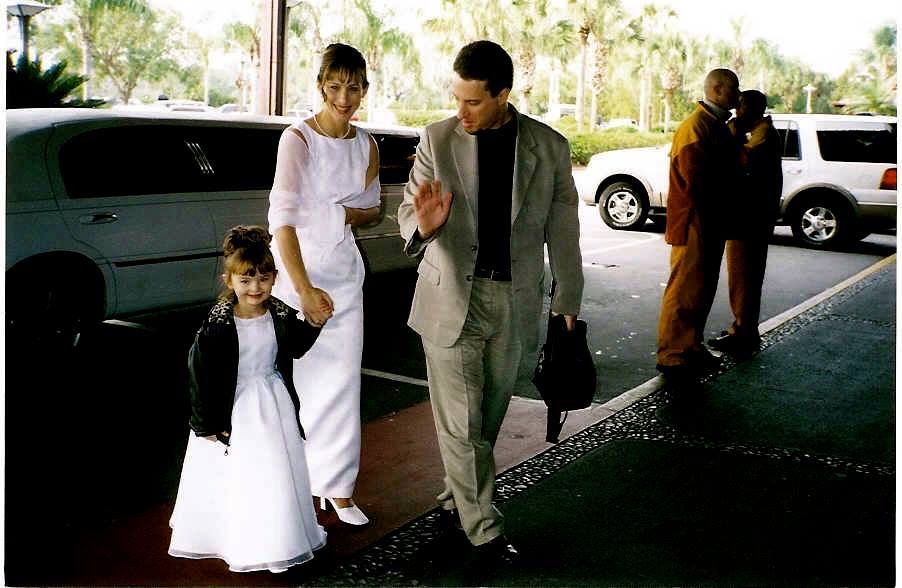
My parent’s wedding at Disney World in 2002
Carolyn was originally married to a different man when she had me, but they divorced soon after I was born. They split custody of me for the first few years of my life, during which time Carolyn and Steve met, dated, and were married.
My birth-father gave up custody of me when I was five years old, allowing Steve and Carolyn to adopt and assume full custody of me in June of 2004. With this adoption, my family joined roughly 100 million other Americans who are a part of some form of blended family. My little family isn’t perfect, and we’re far from normal, but as my dad always says, “Normal is boring anyways”.
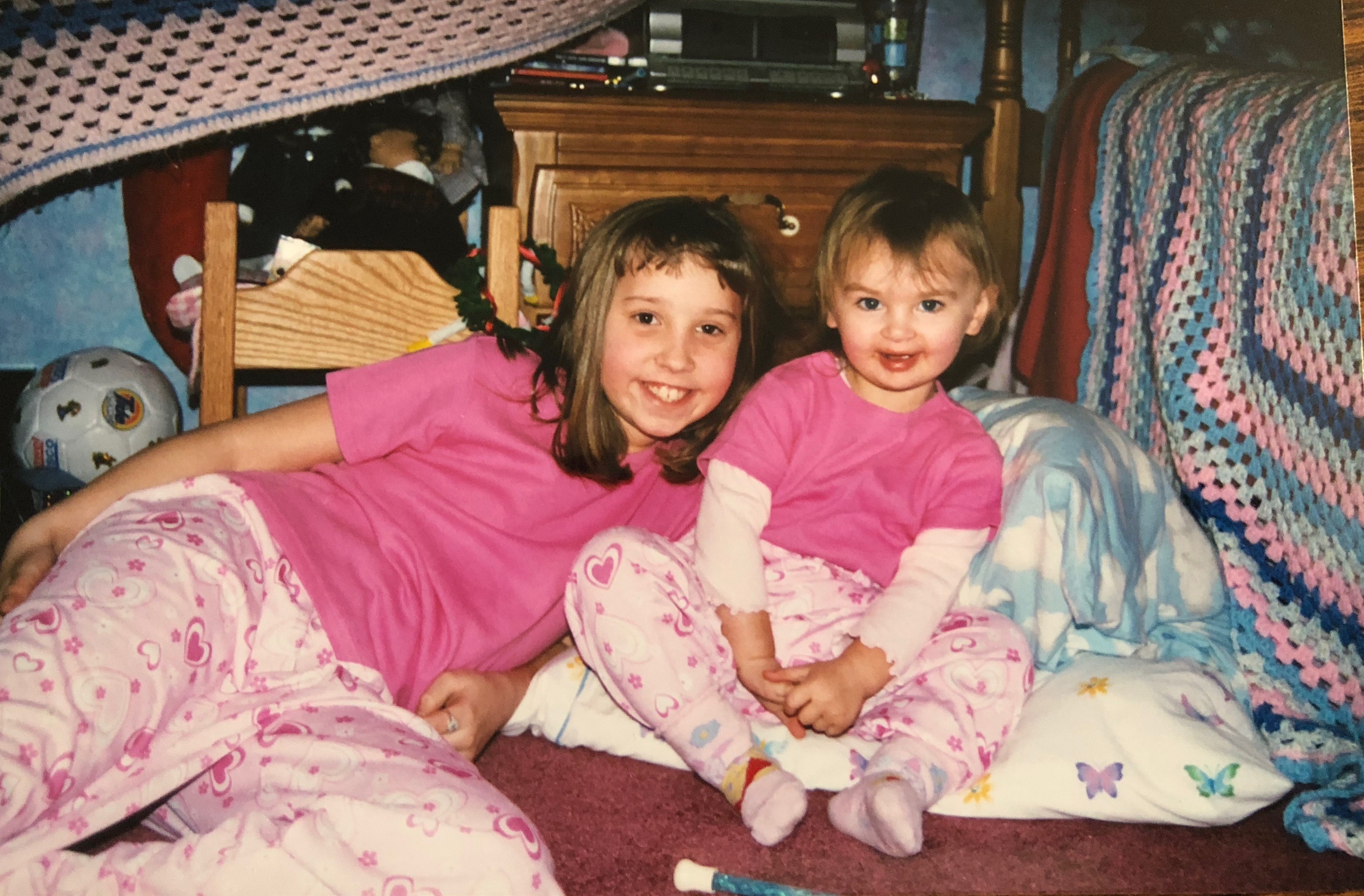
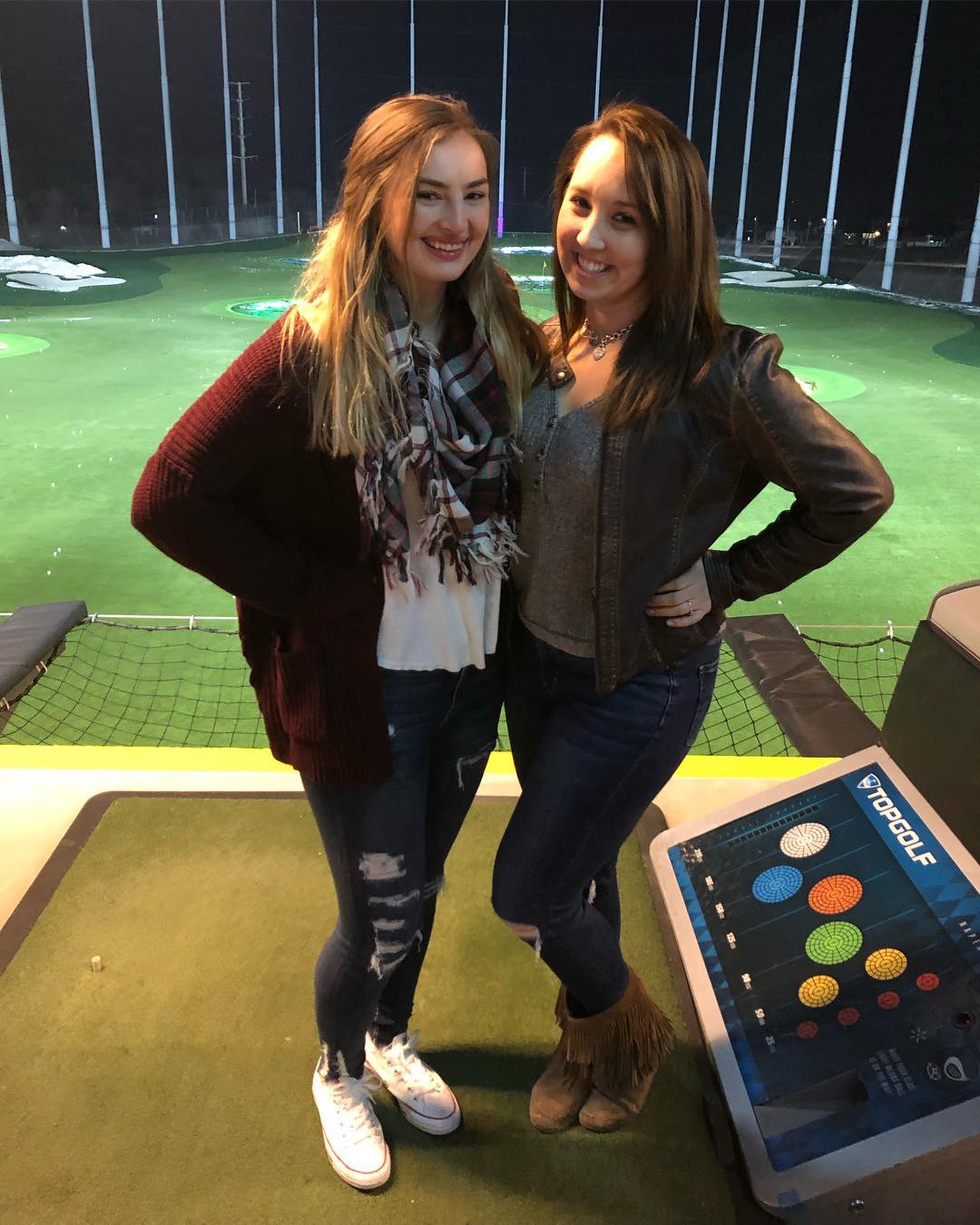
A picture Katie send me of us building forts
I haven’t seen or heard from my biological father since he gave up all custody, but I’ve always been a bit curious about who he is. Since everything happened when I was so young, I don’t remember much about that part of my life. In February of 2018, I was contacted by a woman who turned out to be my half-sister. I found out I actually have 3 half-siblings on my father’s side, named Katie (28), Josh (16), and Kelsey (14). I’ve only met Katie and Kelsey a few times, and have never met Josh.
Katie and I meeting again, 14 years later
While it has been difficult at times to open myself up to that period of my life, I also can’t deny how exciting it is to find out that I had siblings after growing up as an only child. Furthermore, despite the tension this development has understandably caused for my mom, I have also been blessed with the understanding and support of everyone involved to go through this process at my own speed and desire.
My “Personal” Family
Much like Cohen’s assumption that, “the family connection was symbolic; the connection… was meaningful to them because they believed it was” (3), I have been blessed with a number of individuals that have become like family to me. Competing on the women’s volleyball team at Siena has given me a tight-knit group of girls that I’ve come to refer to as “sisters”. As a team, we have a responsibility to train and compete with and for one another, that mirrors the “expectation of care or commitment” (Cohen, 5) that is signaled by the term family. We sacrifice our time and energy for the success of one another every day on the court, much like how individuals put the well-being of their family above their personal needs or desires.
However, a “family” is not restricted to the people we are geographically closest to or who we spend the most time with on a daily basis. This past summer I worked as a camp counselor for 3 months, and I was able to meet some amazing people as a result. Within the first week, I grew close with a group of incredible girls that I have maintained relationships with throughout the past year. Despite living from vastly different parts of the country, and only being together for a short amount of time, I feel closer to them than most people in my life.
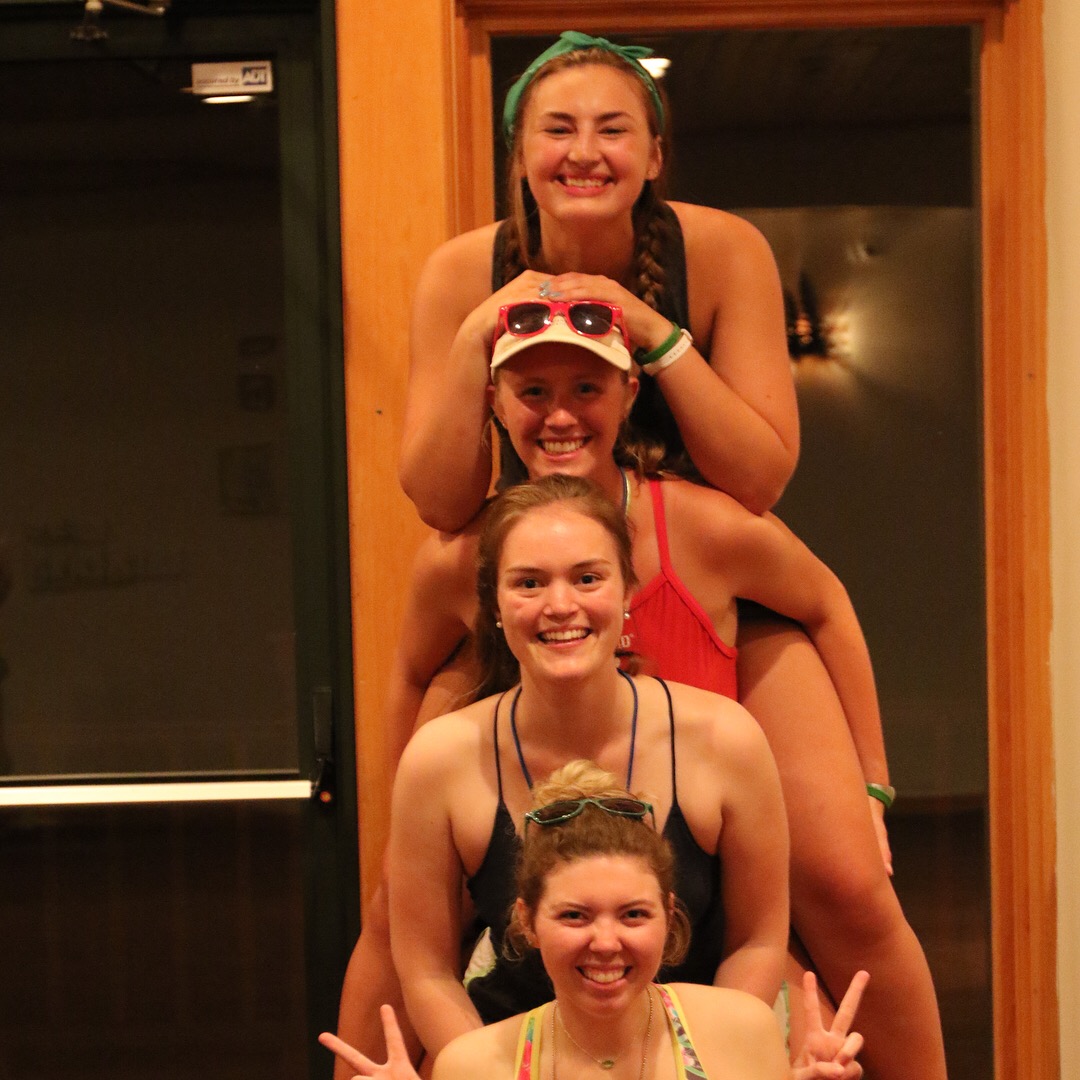
Me, Harmony, Emily, and Kenzie at a staff party
There is no one right or wrong way to define a family. Families are messy and crazy. They’re very rarely the perfect cookie-cutter model showcased in television shows and movies. Under the theory of “modernity” in sociology, “diversity and individuality are the new norm, and it’s up to each person to pick a family type and identify with it” (Cohen, 22). My family, both legal and personal, is not perfect. We fight. We are dysfunctional at best. We are human. Throughout every experience, though, we love each other fiercely and, in the end, I wouldn’t trade my mismatched group of weirdos for the world.
 Jessica - Sociology of the Family